
Table of Contents
- What Is Adaptive Process Control?
- Common Applications
- Adaptive Process Control for Material Dispensing
- Benefits
- Technologies Used in Adaptive Process Control
- How to Implement Adaptive Process Control for Dispensing
- FAQs
Automated manufacturing repeats the same programmed movements over and over, but the conditions surrounding those movements can change. Parts can shift, material viscosity can change, components can wear, and supply pressure can fluctuate. These small variations can negatively affect the manufacturing process and ultimately, the quality of the final product.
To avoid these errors and minimize rework, equipment needs to be able to respond to these changes and take corrective action in real time. In these instances, adaptive process control can significantly improve performance.
What Is Adaptive Process Control in Manufacturing?
In manufacturing, adaptive process control uses real-time feedback to evaluate production conditions and adjust processes as needed. The goal of adaptive process control in manufacturing is to keep the production process within the outlined specifications even when conditions change. Depending on their configuration, adaptive manufacturing solutions may correct processes, repair certain defects, alert an operator, reject parts, or stop production.
Many adaptive process control systems focus on a defined machine, operation, or process variable in the production process. The feedback loop for adaptive process control in manufacturing is generally as follows:
- Sensors measure relevant process conditions for a specific task.
- Control software compares these measurements with validated targets and tolerance ranges to determine if any process adjustments are necessary.
- If needed, the controller sends a corrective command to the appropriate production equipment.
- If equipped for closed-loop verification and data collection, the system verifies the outcome of the corrective action and records the results.
Common Applications
Adaptive process control is not limited to one material, technology, or industry. In manufacturing, adaptive process control systems can often be beneficial for operations in which changing conditions may affect product quality, safety, performance, or production efficiency. They are especially valuable in high-volume, tightly controlled, or automated processes where defects can be difficult or expensive to identify and correct after production.
Potential applications for adaptive process control systems include:
- Adhesive and sealant dispensing
- Injection molding
- Machining and cutting
- Welding and joining
- Robotic assembly
- Forming and stamping
- Painting and coating
- Additive manufacturing
- Heat treatment
- Electronics manufacturing
- Composite manufacturing
- Packaging and filling
Adaptive Process Control for Material Dispensing
In automated dispensing, adaptive process control evaluates the material and application data against established specifications and makes adjustments to the dispensing process as needed to meet the approved specifications.
Many automated dispensing systems follow a predetermined program that does not account for outside changes in conditions. If a part sits higher in the fixture or the material flow changes, the system may continue operating without accounting for the change. The result could be a whole run of defective products.
Dispensing adaptive process control systems not only evaluate predetermined specifications such as bead volume and location but also make real-time adjustments to stay within the specified parameters. These adjustments may include changing the robot path, maintaining the correct nozzle height, or regulating the amount of material being applied. Adaptive process control can be valuable when the dispensed material is used for a critical application or is highly regulated, like in the automotive industry.
Types of Adaptive Process Control for Dispensing
Different adaptive process control solutions can be used to address different sources of dispensing variation. Understanding the following terms can make it easier to compare solutions and determine which capabilities apply to your production line.
Z-Tracking
Z-tracking in adaptive process control systems focuses on maintaining an acceptable distance between the dispensing nozzle and the part surface. A sensor measures part height or surface geometry, and the system sends a vertical offset to the robot.
Adjustments to the distance can help prevent the nozzle from contacting the substrate, plowing through the bead, or moving too far from the surface. Z-tracking is particularly useful when stamped, molded, or assembled parts have meaningful height variation.
Lateral Tracking
Lateral tracking adjusts the robot path from side to side based on the actual position or geometry of the part. It helps maintain the required distance between the bead and a part edge, groove, flange, or other feature.
Without lateral tracking and correction, variations in part position or dimensions may cause the bead to move outside the target area. This error can contribute to squeeze-out, incomplete coverage, poor sealing, or rejected assemblies.
Volume Control
Volume control measures the amount of material being applied and may adjust the dispensing output when the volume moves outside its acceptable range. Consistent volume matters because too little material can lead to an incomplete bond or seal. Too much material increases consumption and may contribute to squeeze-out.
Depending on the exact equipment, the system may take corrective action by changing the pump output, pressure, valve position, flow rate, or another control variable.
Location Tracking
A location-tracking system identifies the part’s actual position in three-dimensional space. It then communicates an offset to the robot, so that the dispensing path follows the real part instead of relying only on its nominal position.
Benefits of Adaptive Process Control in Manufacturing
In manufacturing, variations in materials, equipment condition, part dimensions, and the operating environment can all affect process performance and the quality of the final product. Adaptive process control systems can help manufacturers manage these inevitable changes during production. By responding to these variations in real time, the system can deliver significant advantages.
Potential benefits of adaptive process control in manufacturing applications include:
- More consistent product quality- Automatic adjustments can help keep critical process outputs within validated tolerances. In dispensing applications, this includes maintaining bead location, height, width, volume, and continuity.
- Less scrap and rework- Early detection of process variation and correction of errors can help keep defective parts or assemblies from making it too far down the production line, where they can no longer be rectified.
- Reduced material waste- More precise control and immediate corrective action can limit unnecessary overuse of raw materials, coatings, adhesives, and other production inputs.
- Improved equipment uptime- Process data may reveal tool wear, restrictions, material buildup, or equipment changes before they cause a larger interruption.
- Greater production flexibility- Adaptive controls can help equipment respond to changes in part dimensions, materials, product configurations, or operating conditions.
- Better traceability- If the system can associate specific data with different parts, materials, or processes, it can help with quality assurance, regulatory compliance, and warranty protection.
- More consistent operations across facilities- Documented settings and adaptive controls can help multiple plants manage similar sources of process variation.
- Less dependence on manual intervention- Automated inspection and correction can reduce the need for operators to identify and address routine process deviations. This aspect can be especially helpful when manual inspection is challenging.
Technologies Used in Adaptive Process Control Manufacturing Systems
No single sensor can measure every variable that affects production quality. As a result, many adaptive process control systems rely on connected technologies to collect data, evaluate process conditions, and make approved adjustments for specific operations.
Process Sensors
Process sensors measure variables such as force, pressure, flow, torque, vibration, speed, position, humidity, and other production conditions. The type of process sensor depends on the manufacturing process being monitored and the conditions that can affect the output.
A machining operation, for example, may monitor spindle vibration to detect tool wear, while a dispensing system may use flow and pressure sensors to identify changes in material volume.
Temperature Sensors
Temperature can influence material properties, equipment performance, cure time, cycle times, and dimensional stability. Temperature monitoring is especially important in processes such as injection molding, heat treatment, welding, and the application of temperature-sensitive materials.
When properly integrated, an adaptive process control system with temperature sensors will collect this temperature data and modify heating, cooling, speed, pressure, or other production settings as needed.
Robots and Motion-Control Systems
Robots, servomotors, encoders, and motion controllers provide data about position, speed, acceleration, and equipment status during production. Adaptive controls can use this information to modify a robot path, tool position, operating speed, or applied force as conditions change.
PLCs and Industrial Controllers
A programmable logic controller, or PLC, may coordinate sensors, robots, machines, and other production equipment. Depending on the system architecture, it can evaluate incoming measurements, apply established control logic, and determine whether the system should adjust the process or alert an operator.
Manufacturing Software and Data Platforms
Manufacturing execution systems, quality-management software, analytics tools, and other connected platforms provide a broader context for adaptive control systems in manufacturing. They may combine machine-level data with part identification, product specifications, production schedules, maintenance records, and quality results.
This connectivity can provide both individual processes and factory-wide manufacturing systems with broader production context. When these platforms are properly integrated, they can allow for coordinated responses to process variation. They can also support traceability, performance analysis, predictive maintenance, and continuous improvement.
Machine Vision Systems
Two-dimensional vision systems can inspect visible features such as position, orientation, edges, and surface appearance. Three-dimensional systems can also measure depth, height, surface geometry, and volume when appropriately configured. This information may help equipment identify defects, compensate for part variation, correct a robot path, or confirm that an operation meets established tolerances.
A robot vision system for dispensing, for example, may be able to measure bead height, width, continuity, volume, and location to determine whether the bead is within necessary specifications.
How to Implement Adaptive Process Control for Material Dispensing
Implementation should begin with a thorough look at the specific application and dispensing process, not with a particular sensor or software package. Without understanding the current application and its potential sources of variation, you may choose a tracking solution that does not address your process needs.
- Document the existing process- Establish baseline data for bead dimensions, material use, part variation, cycle time, scrap, rework, and downtime.
- Define validated tolerances- Set acceptable limits for bead height, width, location, continuity, volume, tip-to-part distance, and any other critical variables.
- Select the control objective- Decide whether your priority is preventing nozzle crashes, controlling volume, correcting bead location, repairing gaps, or improving traceability.
- Choose compatible technology- Evaluate sensors, controllers, software, robots, metering systems, network protocols, and data-storage requirements.
- Test the system- Test the system before expanding it across the product line.
- Establish correction limits- Define when the system can adjust automatically and when it must reject the part, alert an operator, or stop production.
- Validate the complete process- Confirm that allowed adjustments produce acceptable assemblies under expected production conditions.
- Train operators and maintenance teams- Employees need to understand alarms, correction limits, calibration, cleaning, troubleshooting, and data interpretation.
- Review performance regularly- Compare results with the original baseline and refine the system as the material, equipment, or product changes.
A dispensing equipment integrator can help determine how sensors, dispensing equipment, robots, and controls should work together. This coordination is particularly important when dealing with safety-critical applications.
Looking to Get Started?
Adaptive process control in manufacturing turns production data into action. In material dispensing, it can help equipment effectively respond to process condition changes.
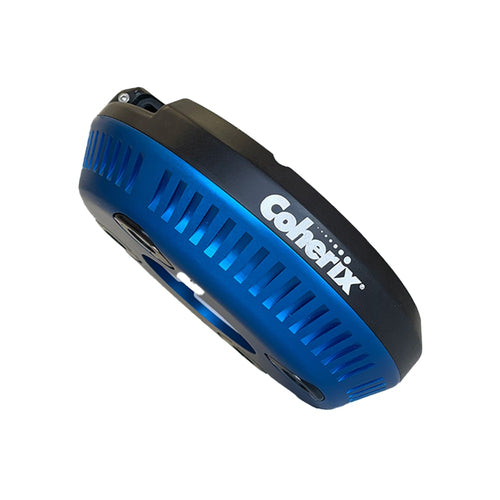
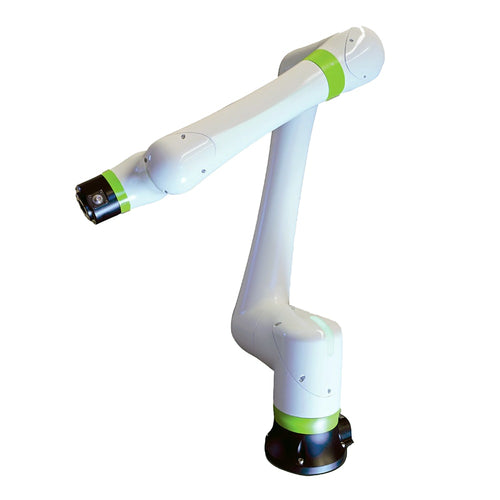
At Dispensing.com, we offer an adhesive dispensing robot vision system with adaptive process control and various software capabilities. If you have questions or need help determining the right solution for your application, contact our team.