
Frameless glass railings and balconies can be a beautiful part of modern architecture. These elements provide a clean aesthetic without sacrificing structural integrity, but they need to be designed and installed correctly.
In this guide, our team reviews glass embedding, including what it is, its benefits, common materials, and installation guidance so you can approach your glass embedding project with confidence.
What Is Glass Embedding?
Glass embedding refers to the method of fixing glass panels or components into a support channel or matrix for embedded glass railings, balconies, guardrails, and other architectural facade elements. Glass panels are secured within a support channel using a grout or embedding compound that holds the glass in place while distributing loads across a wider surface area. The result is a clean aesthetic with reduced visible hardware between panels.
Glass embedding solutions can offer several benefits, including:
- Cleaner, frameless appearance with minimal visible hardware
- Improved load distribution compared to point-supported systems
- Reduced stress concentrations at glass edges
- Compatibility with laminated safety glass systems
- Potential for easier panel replacement depending on system design
Of course, these benefits depend on the correct engineering, material, and installation process.
Factors to Consider When Choosing a Glass Embedding System
Selecting the right glass panel embedding system involves key factors that impact both performance and appearance. Before starting your project, we recommend evaluating the following factors to ensure long-term reliability and a clean finished product.
Define the application
The specific application requirements will have a large impact on the glass embedding system. Determine whether the system is interior or exterior, structural or decorative, and subject to impact or high loads.
Determine the right design
Joint size and embedment depth are critical. A common guideline is to maintain sufficient clearance around the glass and ensure adequate embedment depth to support structural loads. Always verify dimensions based on load requirements, glass thickness, and applicable building codes. These factors should be defined early in the project, as changes after installation are difficult or impossible.
Determine the load requirements
The construction glass embedding system has to be structurally sound, so you need to consider the wind loads, human impact loads, and code requirements.
Plan for the environmental factors
The environment plays a huge role in the design and material of the embedded glass system. Exterior systems must handle UV exposure, moisture, and temperature fluctuations, and typically require a proper top seal to protect the embedding material from environmental exposure.Thermal movement is another consideration. Glass, metal channels, and embedding materials expand at different rates and can introduce stress into the system over time if not properly accounted for.
Evaluate the glass specifications
One of the most important considerations is the glass you use. You need to consider the laminated glass specifications, thickness, and interlayer compatibility with the embedding material. Not all materials interact safely with common interlayers, and incompatibility can lead to long-term issues.
Select the embedding material
Choose a material that meets flexibility, strength, and environmental requirements. It also needs to be compatible with the interlayer.
Think about installation
Once you think you have the glass embedding system, you should consider the installation requirements and equipment that will be more efficient for the project.
Validate with testing
Use mock-ups and compatibility testing to confirm performance before full installation. Testing can help you address potential problems or issues before you get too far along.
When you take all these factors into consideration, it can help reduce risk and ensure that the system performs as expected over time.
Materials for Glass Embedding
Your choice of glass embedding material can have a direct impact on the performance, installation, and long-term durability of the project. Epoxy glass embedding materials offer a high strength option but also tend to be extremely rigid and may not be suited for outdoor use when flexibility is needed. On the other hand, polyurethane glass embedding materials offer a balance of strength and flexibility so they can absorb movement while maintaining structural integrity. They tend to be widely used in modern applications.
While there are multiple options of glass panel embedding materials, we are highlighting two of the most common ones we see used below.
DOWSIL™ 375
DOWSIL 375 is a two-part construction glass embedding polyurethane that is primarily used for the embedding of glass panels in U-profiles for glass balustrade. With a mixture of good tensile strength and elongation, the DOWSIL 375 construction glass embedding material is compatible with both indoor and outdoor applications. The material is also solvent-free, self-leveling, and has a long pot life.
SikaForce®-735 GG
SikaForce®-735 GG is a two-component, polyurethane-based polymer grout that is designed for the embedding of monolithic or laminated glass panes in U-shaped support channels. The material is self-leveling for easy application and can be used in indoor or outdoor application when sealed with the proper material.
Glass Embedding Installation Tips & Best Practices
Installation of the glass embedding system plays a major role in the final appearance and long-term performance of the system. Even the best materials can fail if applied incorrectly.
For best results in installing a glass embedding system, you should practice the following:
- Store the glass embedding material properly before use
- Maintain proper temperature conditions during storage and application
- Follow the material manufacturer's instructions on surface preparation
- Allow adequate cure time before handling
- Use controlled dispensing methods
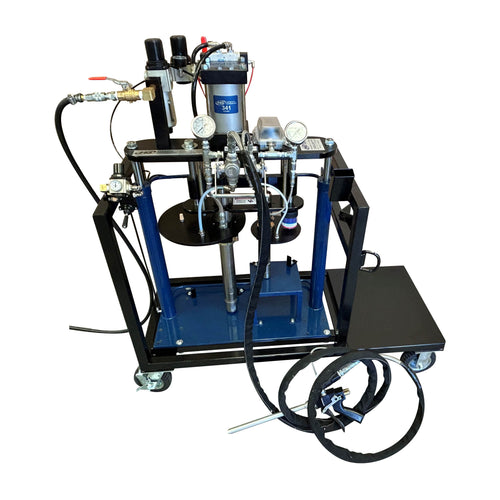
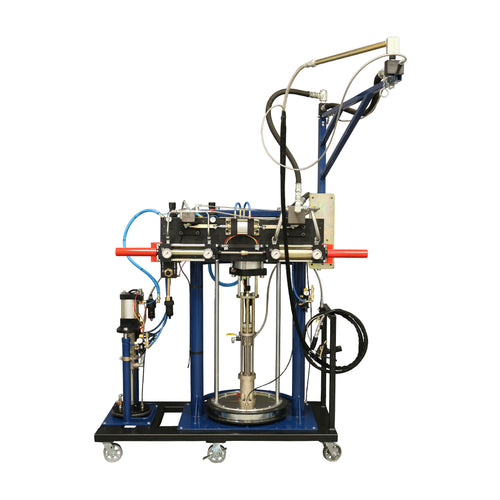
These tips help ensure that the embedding material performs as intended and reduces the likelihood of defects or issues. To ensure consistent dispensing and precise application of the material for embedding glass panels, we recommend semi-automated equipment like the HG Blue Bear polyurethane dispensing system. It is a portable and fully pneumatic system designed with glass panel embedding in mind and may help improve consistency and efficiency.
Want More Insight?
When executed correctly, embedded glass combines a sleek modern design with good structural integrity. But success depends on using the right glass embedding system, the correct material use, and proper installation.
If you are evaluating a glass embedding project, our team can help you evaluate your dispensing needs and recommend a system that best meets your needs. Contact us to learn more.